
The Internet as a whole
The internet is, for the most part, completely uncensored. Anyone can say or do anything on it. Have you heard of the dark web? It contains evidence of the most horrific crimes and injustices being committed, and people get away with it too, because they hide their internet tracks (blocking location, or not showing their faces for example) so well. How do you prosecute someone unknown, from somewhere unknown? What laws can be applied to them? This is related to the premise of the documentary Don’t Fuck with Cats. (See how I can make everything about cats? It’s a gift.)
Social Media
Social media can be an amazing resource to share thoughts and ideas with friends and family. It also has algorithms, and shows you more of the type of posts you have liked, and less of the type of posts you don’t like. Why? Facebook, instagram, snapchat, and twitter weren’t initially intended to be a place to think critically. They were intended to be a place for a good time, for sharing family photos with your friends, cat videos, and personal updates on the day-to-day with people you might not see regularly. It is called social media, after all.
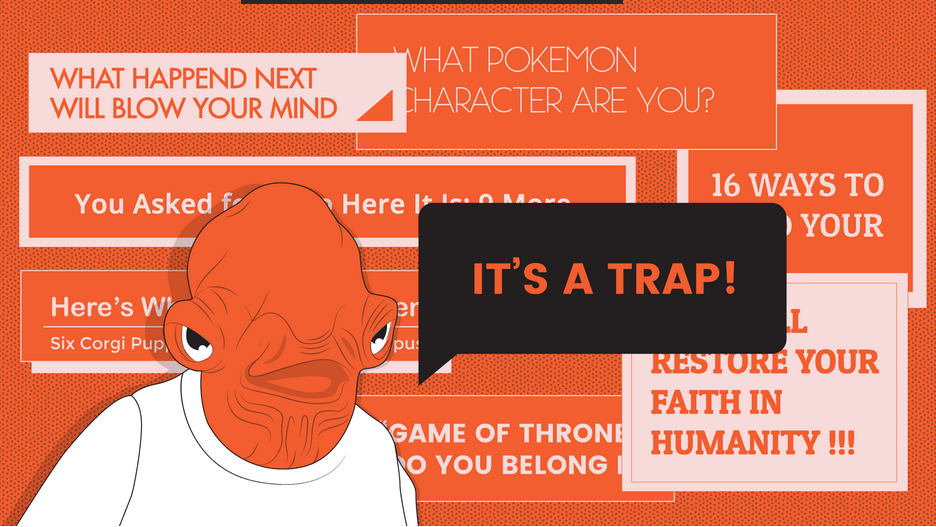
It was never initially intended for news media. People, however, tend to make their strong-held beliefs personal, and they share them. It isn’t wrong, or bad, for someone to want to express themselves, but that is why it’s so hard sometimes to tell fact from fiction online. Anyone can say anything at all and represent it as fact. Even satire sites sometimes get mistaken for real news, and people are barely surprised (there is still an emotional response to be sure) by the news because every headline they see is seemingly representing a world gone mad (aka, clickbait.)
The New News
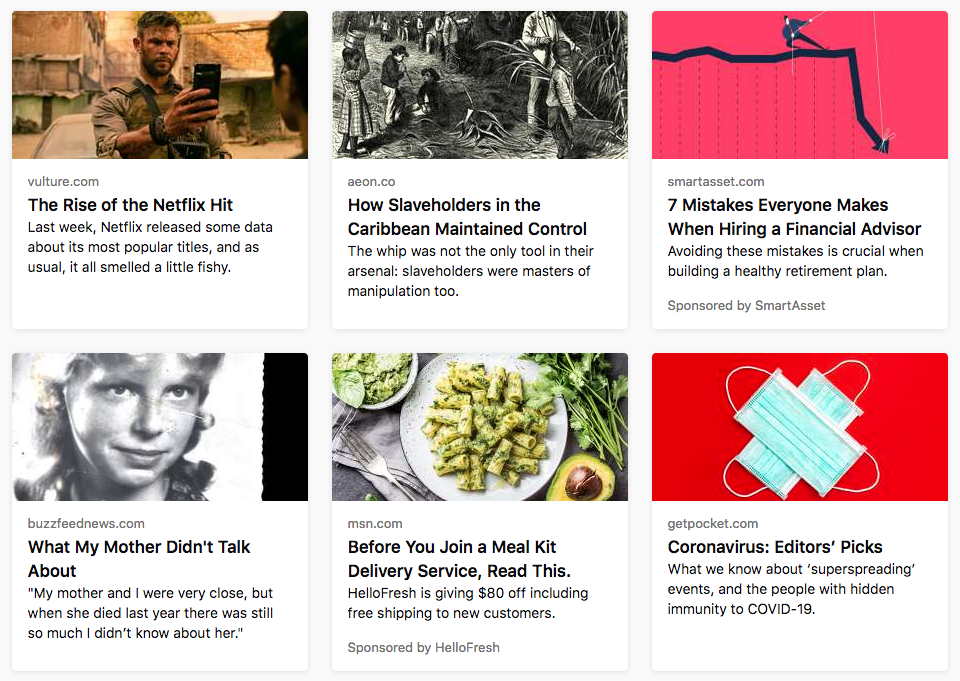
Many social media ‘news’ outlets, such as buzzfeed, are essentially blogs. Like this one. Where I share MY opinion on a matter, my truth as I see it. When these (entrepreneurs? individuals? companies?) grow, they tend to hire a staff of mostly like-minded individuals, and suddenly, its classified as news. Do the authors of their articles have journalism degrees, where they studied the critical thinking of books, movies, and other media? Or is it just written by some yahoo with an internet connection?
(I’m the yahoo, by the way. Don’t believe everything I say as fact either. Read it please, think about it, and draw your own conclusions. Then read some more things by other people too.)
Citing ‘sources’ to win an argument
News articles are written by people. People tend to have opinions, and even when they try to stay objective, they might not be completely so. If you are only receiving news from ‘conservative,’ or ‘liberal’ news sources, you’re likely only getting half the story. Someone else is getting the other half, and when these two people meet, they tend to argue and stubbornly try to convince the other person to their side. When both people are equally stubborn in their convictions, it turns into fighting. Yelling and ranting at people is not an effective form of communication, and nearly everyone is guilty of this. (This is especially true when we’re all locked in our homes with nothing else to do.)
It’s really a beautiful thing how much information is at our fingertips, but we have to remember, that just because we disagree with information, that it isn’t necessarily false. Similarly, just because there is an article that reaffirms our beliefs, doesn’t make it true.
Fact-checking
Social media sites are attempting to combat the sharing of false information by adding fact checks. There are entire websites, like snopes, dedicated to finding the most factual evidence, without letting their preconceived notions of ethics or their opinions on certain people get in the way. They also update articles or print retractions as new information appears. (Like real journalists! Wow.)
How do we deal with all of this? We need to listen more. Read more. Draw our own conclusions, but remain open to new information as it presents itself. Don’t only watch Fox News, or only CNN. Consume articles from an array of sources. Then think about that information and how it makes you feel. Recognize that someone’s truth does not always equate with facts. Why does it make you feel the way that it does? If you are triggered into an emotional response such as anger or sadness, why is that? Maybe it’s time to change an opinion, and perhaps it is one you’ve held onto deeply.
Note: part of the reason that I made the website icon a cat meme, post memes and funny links, and gave this website a silly (but meaningful) name is so it isn’t mistaken for a news site when it eventually starts looking more “professional.”
 Curiosity Killed the Cat
It’s too much all I know is that aliens do exist I guess… 👽
LikeLike